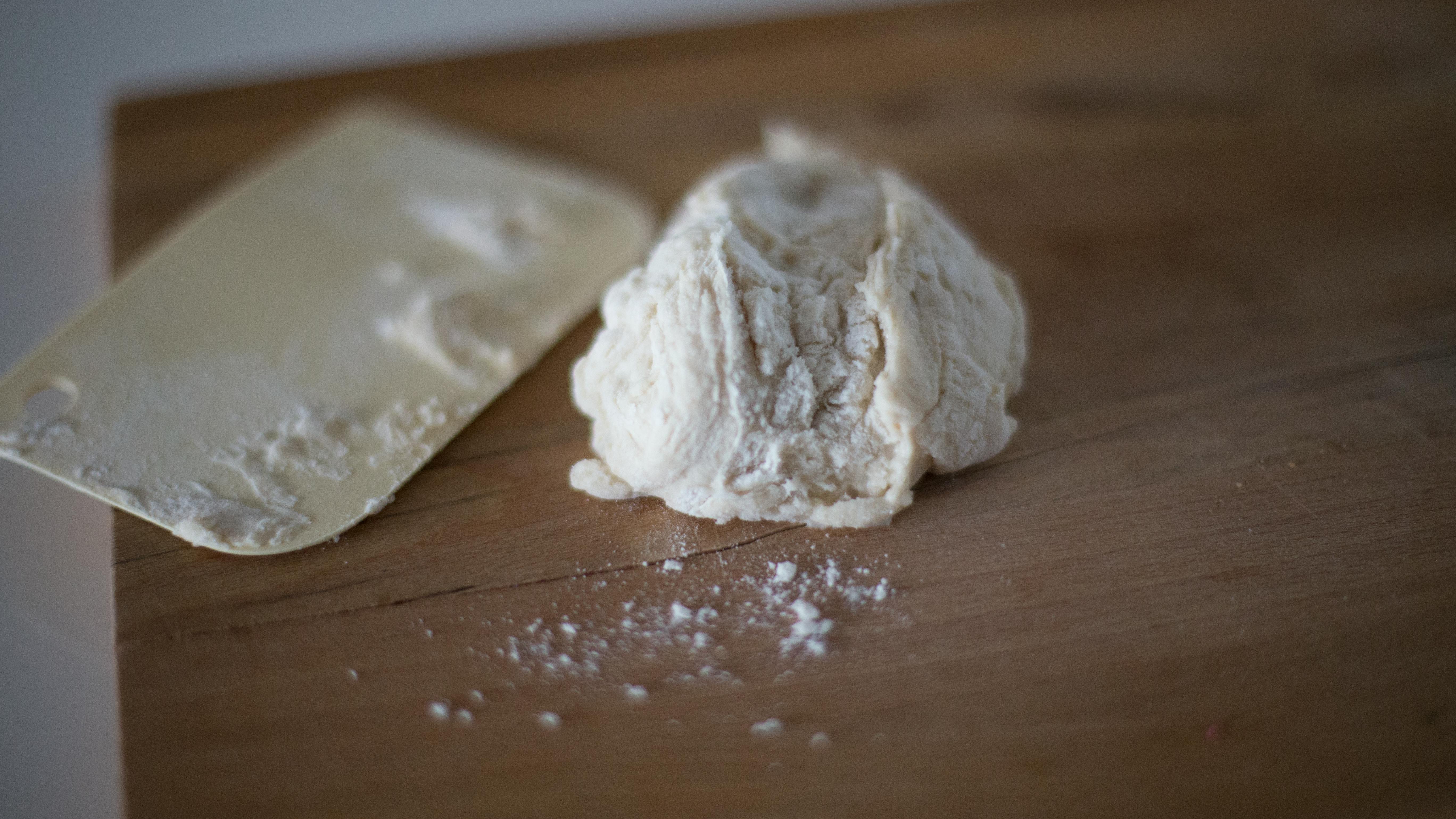
There is a distinct, rhythmic magic to sourdough. It isn’t just bread; it’s a living, breathing partnership between the baker and the invisible world of wild yeast. For those of us navigating a gluten-free lifestyle, sourdough isn't just a nostalgic luxury—it is a culinary revolution that brings texture, flavour, and digestive peace back to the table.
A Journey Through TimeLong before the invention of commercial yeast packets, sourdough was simply "bread." Its history stretches back to Ancient Egypt, around 3700 BC, where the first leavened loaves were likely an "accidental" discovery.

A mixture of ground grain and water was left out, catching wild yeast from the air, and the resulting ferment created a rise that changed human history forever.By the time the gold prospectors of the 19th century were nicknamed "Sourdoughs"—carrying their precious starter crocks close to their bodies to keep the cultures from freezing in the bitter winters—the art of the "Mother" was well-established. Today, we return to these ancient roots to solve a modern problem: how to make gluten-free bread that actually tastes like bread.
The Science of the "Safe" SliceWhy does sourdough matter so much for the gluten-free community? The secret lies in fermentation.In traditional baking, commercial yeast works quickly to produce gas. In sourdough, a diverse community of lactic acid bacteria and wild yeast takes its time. This slow process performs a sort of "pre-digestion." It breaks down phytic acid—an anti-nutrient found in grains that can block the absorption of minerals—and begins dismantling complex proteins. For those with non-celiac gluten sensitivity, this long ferment often makes the bread significantly easier on the gut.
Even when using strictly gluten-free flours like brown rice, buckwheat, or teff, the sourdough process adds a structural integrity and a "chew" that store-bought, chemical-heavy loaves simply cannot replicate.Starting Your Own "Mother"Creating a gluten-free starter—your "Mother"—is a lesson in patience and observation. All you need is flour, water, and time.The Feed: Mix equal parts gluten-free flour (teff or sorghum work beautifully) and filtered water in a glass jar.The Wait: Cover it loosely and let it sit in a warm spot.
Every 24 hours, discard half and "feed" it again.The Life: After 5 to 7 days, you’ll notice bubbles and a pleasant, tangy aroma. This is your sign that the wild yeast has moved in.The Lavish RewardSourdough demands that you slow down. It asks you to feel the dough, to watch the bubbles, and to wait for the oven’s heat to transform a sticky mass into a crusty, golden masterpiece.
At Mavis Lavis, we believe that gluten-free cooking should never feel like a compromise. When you pull that first steaming loaf from the oven, with its crackling crust and airy, tart interior, you aren't just eating healthily—you are eating lavishly.